With the Christmas and New Year period approaching, now is the time for businesses planning a seasonal shutdown to ensure they are meeting their obligations under the Holidays Act 2003.
What will the new Leave Act Cost?
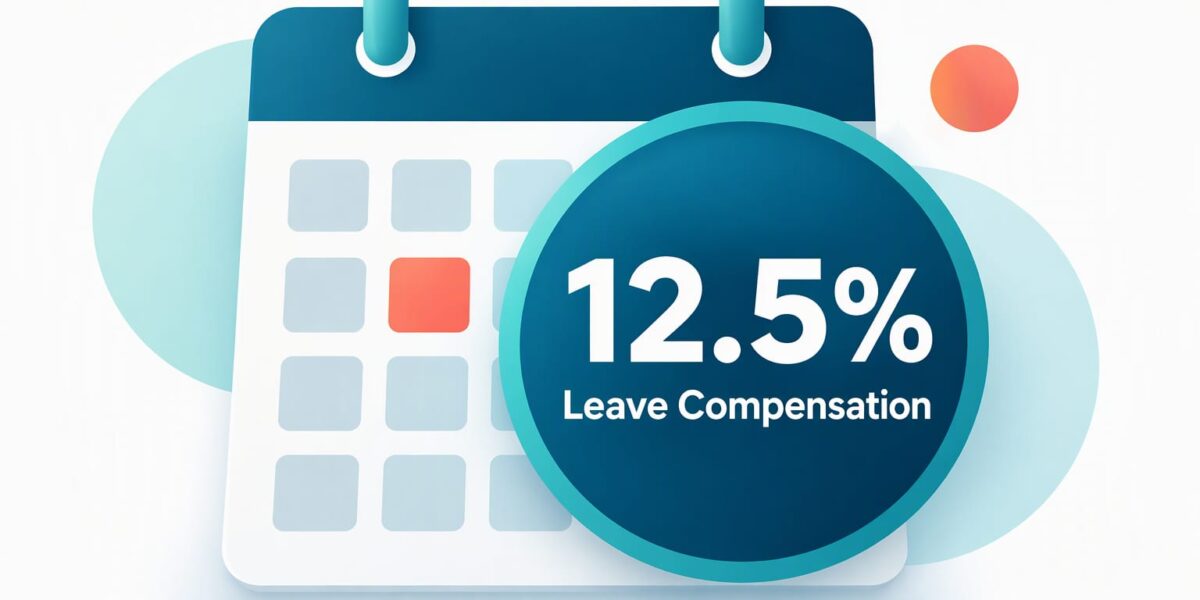
Although the new legislation does not take effect until August 2028, the financial implications are worth considering now. Some of its changes could have a very real impact on wage and leave costs.
Employers have time to identify where costs may increase and, importantly, decide whether changes should be made to employment agreement wording, guaranteed and additional hours, overtime arrangements, rostering, staffing models or how work is structured and allocated. Leaving this until 2028 may remove the opportunity to make sensible operational changes that could reduce or offset some of those additional costs. The two-year lead-in is an opportunity to model the impact first, then make considered changes rather than simply absorbing the cost when the new regime arrives.
A casual employee currently receiving 8% holiday pay will instead generally attract a 12.5% Leave Compensation Payment. Additional hours worked above an employee’s standard hours may also attract the 12.5% payment. And sick leave will accrue from day one, which could particularly affect businesses with high staff turnover or seasonal workers.
On the other hand, not every change increases costs. A part-time employee working 16 hours a week who currently receives 10 days’ sick leave would accrue around 32 hours, or four eight-hour days, per year under the new system.
So, will your leave bill actually go up or down? And what about the implementation costs?
In February, we are running a practical webinar looking specifically at the financial impact of the Employment Leave Act. We will work through real examples showing where costs may increase, where they may reduce, and what employers can start modelling now.
Cost: $45
If you employ casuals, part-timers, staff who regularly work overtime or additional hours, or have a high-turnover workforce, this one will be particularly relevant.
Related Posts