
A complaint was raised. Nothing meaningful was done. This Employment Relations Authority (ERA) case is a clear reminder that inaction can expose employers to significant risk.
“It Was Just a Joke”: When ‘Harmless’ Banter is Harassment
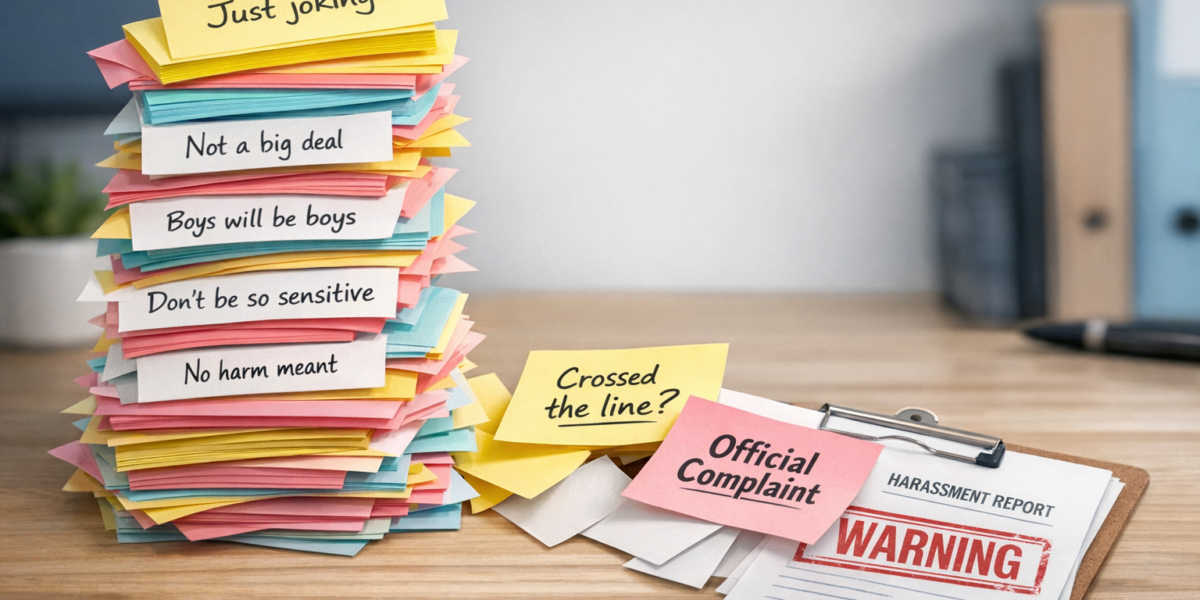
In many workplaces, humour and banter are part of everyday interaction. Used well, they can build rapport and ease pressure. Used poorly, they can cross the line into harassment, even when the person making the comment believes it was “just joking” or thinks others are being “too sensitive”.
Intent is not the key issue. Impact is.
The Employment Relations Act 2000 and the Human Rights Act 1993 both place clear obligations on employers to provide a safe workplace, free from harassment. Harassment is behaviour that is unwelcome or offensive and has a detrimental effect on an employee’s dignity, wellbeing, or ability to do their job. This includes one‑off incidents if they are serious, as well as repeated behaviour over time.
Common examples that are often minimised as “only a joke” include sarcastic remarks, personal comments about appearance or background, sexualised or racist humour, mockery, nicknames, or repeated teasing. While the speaker may not intend harm, the law focuses on how the behaviour is received, not how it was meant.
A frequent misconception is that if ‘everyone else laughs’ or the comment was not directed maliciously, it cannot amount to harassment. This is incorrect. Power dynamics also matter. A joke made by a manager, or by a dominant personality in a team, can have a very different impact than one made between peers. Silence or nervous laughter does not equal consent.
Another common trap is labelling someone as ‘over sensitive’. In reality, individuals have different boundaries, backgrounds, and experiences. What is acceptable to one employee may be humiliating or distressing to another. Employers are expected to take complaints seriously and assess them objectively against legal standards, not personal opinions.
Failing to deal with inappropriate ‘jokes’ can expose employers to personal grievances, health and safety breaches, and reputational damage. It can also undermine trust and productivity long before a formal complaint is raised.
The take‑home message is simple: if you observe or are made aware of a comment, joke, or behaviour that could be considered unwelcome and has a negative impact, it should be stopped, regardless of intent. Employers should set clear expectations, model respectful behaviour, and address issues early. Creating a culture of respect is not about eliminating humour; it is about ensuring that humour does not come at someone else’s expense.
If you have concerns in your workplace, call us to discuss how you can address it, including options for training and coaching.
Related Posts