
This article may seem too early, however, if you are planning a closedown over the Christmas and New Year period, you need to start thinking about it soon.
Fuel Costs and Disruptions: Workplace Implications
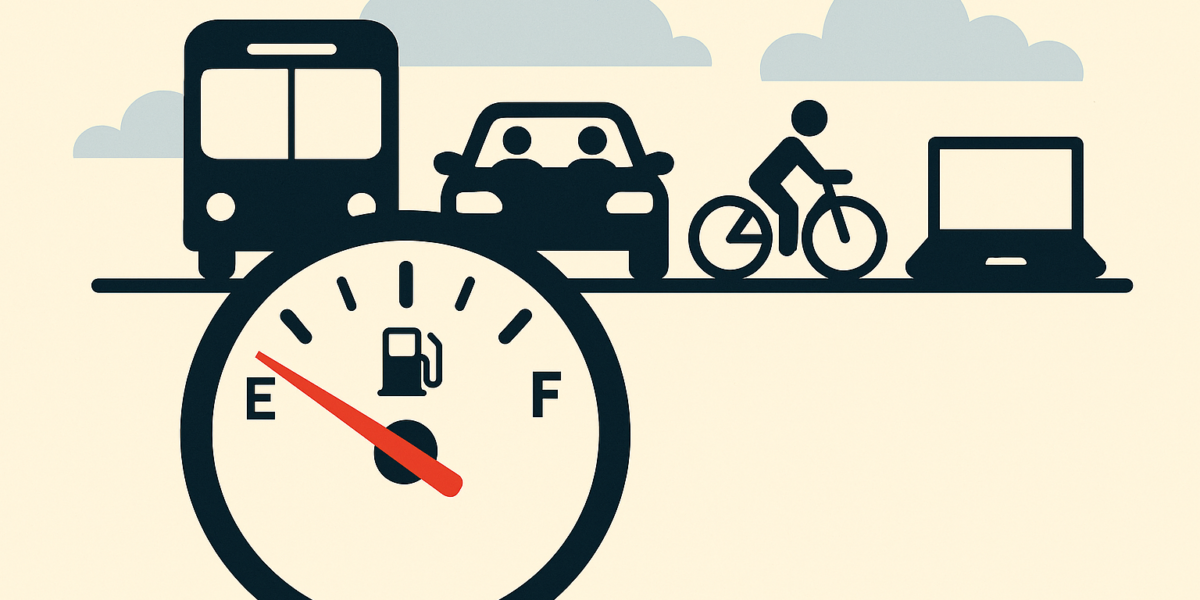
If there are fuel shortages or restrictions this will likely disrupt business operations and would quickly raise employment law considerations, particularly around attendance, pay, and working arrangements. Planning now for the possibilities, and discussing options with staff will minimise the disruptions.
Employees unable to get to work
Employees may be unable to attend work due to fuel constraints, even where they are otherwise willing and able. Although it is ordinarily the employee’s responsibility to get to and from work, pay obligations do not automatically fall away. Employers should be cautious about treating fuel-related absences as unpaid or unauthorised without first considering the terms of the employment agreement and whether alternative arrangements are available and exploring workable alternatives. If restrictions are introduced (for example “no car days”), consider what options are realistic; public transport, carpooling, cycling, walking, and whether flexibility on start/finish times or locations can keep work going.
Where possible, employers may look at temporary remote work, amended hours, reduced on-site staffing or reallocating duties. Unless flexibility is already provided for in the employment agreement, changes need to be made by agreement and clearly framed as temporary so as not to set a precedent.
Employers should also be cautious when considering leave arrangements. Annual leave cannot be directed at short notice and leave without pay requires agreement.
Company vehicle use
Where employees have company vehicles, check whether private use is an entitlement or a discretionary perk. Any restriction on use may need discussion, and in some cases, an agreed temporary variation. Having these discussions now, particularly where private use is discretionary, will set expectations thereby minimising the adverse reactions of any sudden changes.
An issue that is likely to compound with continued increases in the cost of fuel, is the private use of company vehicles that isn’t currently supposed to happen, but everyone turns a blind eye. This type of company vehicle use is likely to increase. If it is something you don’t want to happen, ensure you are consistent with your rules now, and communicate your expectations clearly.
Personal vehicle use for the company
Fuel costs are approaching levels that mean the IRD reimbursement rate is no longer sufficient to cover the actual cost of employees using their vehicles for work. IRD considers adjustments to the rate annually (May) and there is no evidence they are considering an extra or exception increase at this stage. If employees are using their own vehicles for work, we suggest reviewing your reimbursement approach (including whether you are paying at or above IRD mileage rates) and keep in mind that larger allowances or reimbursements can create tax implications (so do seek advice from your tax advisor about this specifically). Again, starting discussions now and listening to your employees’ concerns will help identify solutions. This could include ways to limit the use of the vehicle, not just increasing the mileage reimbursement rate.
Employer unable to provide work
An employer may be unable to provide work if there are restrictions on fuel. Under these circumstances it is important to understand what the Employment Agreements say. An employer is obliged to comply with those terms unless there is a mutual agreement to do otherwise (in writing). For example, if the Employment Agreement specifies a minimum of a 40 hour week, even if you don’t have 40 hours of work, you must pay the employee for those 40 hours. It is important to pre-plan for this possibility. Here are some options to discuss with your employees.
Taking annual leave
An employer can only require an employee to take annual leave after trying to get agreement and if there isn’t agreement, giving a minimum of 14 days’ notice.
Leave without pay or reduced hours
This can only be by agreement with the employee. Check the Employment Agreement to understand the minimums that must be provided.
Force Majeure
Check to see if your Employment Agreements have a Force Majeure clause. The wording is critical and may not include fuel restrictions, so please get advice before taking any actions.
Redundancy
Ultimately, if fuel prices or restrictions mean you don’t have the work, then redundancies may be a difficult but necessary decision. There is a process that needs to be followed before you decide on redundancies, so please get advice before progressing.
If fuel prices or potential disruption is affecting your business, now is a good time to review your Employment Agreements and make contingency plans. We can assist with advice on pay obligations, temporary variations, redundancies and managing change lawfully and fairly.
Related Posts